

Vinyl Fencing Lifespan

Vinyl fencing is known for its durability and longevity, especially in humid environments. Unlike wood fencing, vinyl does not rot, warp, or decay when exposed to high levels of humidity. This makes vinyl fencing a popular choice for areas with moist climates.
Comparing Durability
In terms of durability, vinyl fencing far outperforms wood fencing in humid environments. While wood is prone to rot and decay when exposed to moisture, vinyl remains unaffected. This difference in material composition allows vinyl fencing to maintain its structural integrity and aesthetic appeal for much longer periods.
Impact of Humidity
Humidity can significantly affect the longevity of vinyl fencing. In extremely humid conditions, mold and mildew growth may occur on the surface of vinyl fencing. However, this can be easily remedied with regular cleaning and maintenance. Overall, vinyl fencing is designed to withstand the challenges posed by humidity and can last for many years without deteriorating.
Wood Fencing Lifespan
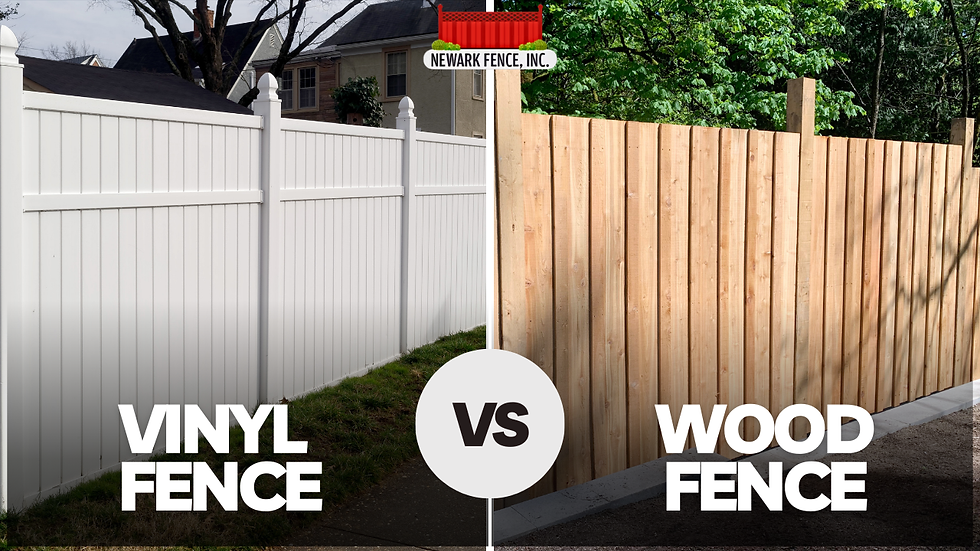
Wood fencing in humid conditions can face various challenges that affect its lifespan. The moisture in the air can lead to issues such as rotting, warping, and mold growth, which can significantly impact the durability of wood fencing.
Common Issues with Wood Fencing in Humid Environments
- Rotting: Excess moisture can cause wood fencing to rot over time, especially if not properly treated or maintained.
- Warping: The constant exposure to humidity can cause wood panels to warp or bend, compromising the structural integrity of the fence.
- Mold Growth: Humid conditions create an ideal environment for mold and mildew to thrive on wooden surfaces, leading to discoloration and decay.
Maintenance Requirements of Wood Fencing vs Vinyl Fencing in Humid Environments
Wood fencing typically requires more maintenance compared to vinyl fencing in humid environments due to its susceptibility to moisture-related issues. Regular sealing, staining, and treating with preservatives are necessary to protect wood fencing from the effects of humidity. In contrast, vinyl fencing is resistant to rot, warping, and mold growth, making it a low-maintenance option for humid climates.
Material Composition
Vinyl fencing is typically made from polyvinyl chloride (PVC), which is a synthetic material known for its durability and resistance to moisture. This composition makes vinyl fencing highly resistant to humidity, preventing issues such as rotting, warping, or mold growth.
Vinyl Fencing
- Consists of polyvinyl chloride (PVC) material
- Durable and resistant to moisture
- Does not rot, warp, or attract mold
Wood Fencing
Wood fencing is usually constructed from natural wood materials such as cedar, pine, or redwood. While these woods are sturdy, they are susceptible to moisture absorption, which can lead to issues like rotting, warping, or insect infestation when exposed to high humidity levels.
- Commonly made from natural wood materials
- Susceptible to moisture absorption
- Potential issues include rotting, warping, and insect damage
Impact of Humidity
Humidity can have a significant impact on the structural integrity of both vinyl and wood fencing. In the case of vinyl fencing, its resistance to moisture ensures that it maintains its shape and appearance over time, even in humid environments.
On the other hand, wood fencing is prone to swelling, warping, and decay when exposed to high humidity, requiring regular maintenance to prevent damage.
Maintenance and Care
Proper maintenance and care are essential for maximizing the lifespan of fencing, especially in humid environments where moisture can accelerate wear and decay. Here, we will explore the maintenance requirements for both vinyl and wood fencing, along with the cost-effectiveness of upkeep in such conditions
Vinyl Fencing Maintenance
- Regular Cleaning: Vinyl fencing should be cleaned periodically with mild soap and water to remove dirt, mold, and mildew.
- Inspection: Check for any damage or loose components that may need repair or replacement, especially after heavy storms or extreme weather.
- Repainting: Unlike wood fencing, vinyl does not require repainting. However, touch-ups may be needed to maintain its appearance.
Wood Fencing Care
- Sealing and Staining: Wood fencing should be sealed and stained to protect it from moisture, rot, and insect damage. This should be done every 2-3 years.
- Regular Inspections: Check for signs of decay, warping, or loose boards. Promptly address any issues to prevent further damage.
- Repairs: Replace any damaged or rotted wood promptly to prevent the spread of decay and extend the lifespan of the fence.
Cost-Effectiveness of Upkeep
While vinyl fencing may require less maintenance in terms of painting and sealing, it is generally more expensive upfront compared to wood fencing. However, the long-term cost-effectiveness of upkeep should also be considered. Vinyl fencing typically requires less maintenance over time, which can result in lower maintenance costs in the long run.
On the other hand, wood fencing may require more frequent maintenance and repairs, which can add up in terms of both time and money, making it less cost-effective in the long term.
Environmental Impact
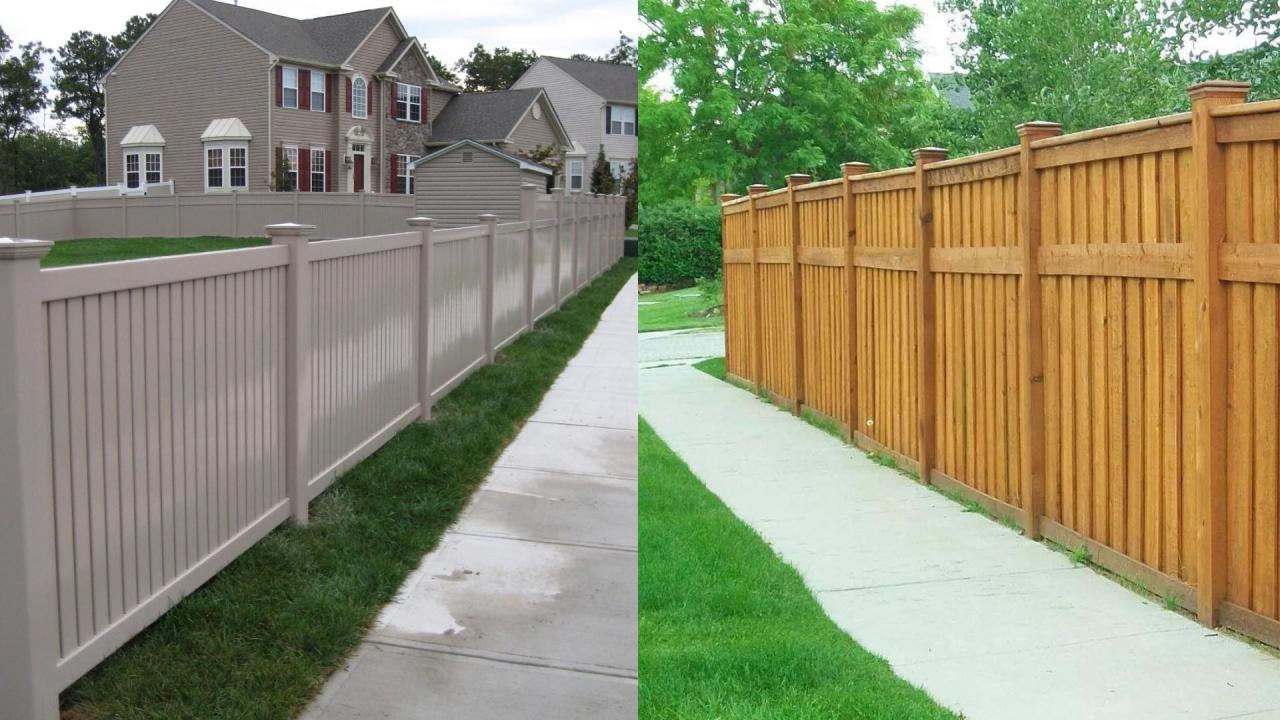
When considering the environmental impact of fencing materials in humid regions, it is essential to evaluate factors such as eco-friendliness, sustainability, and long-term implications. This analysis can help individuals make informed decisions when choosing between vinyl and wood fencing options.
Eco-Friendliness of Vinyl Fencing
Vinyl fencing is often considered less eco-friendly compared to wood fencing due to its manufacturing process and use of non-renewable resources. The production of vinyl involves chemicals and energy-intensive procedures, which can contribute to environmental pollution. Additionally, vinyl is not biodegradable and can release harmful substances when exposed to high temperatures.
This makes vinyl fencing less environmentally sustainable in the long run.
Sustainability of Wood Sourcing for Fencing
Wood fencing, on the other hand, has the potential to be more sustainable if sourced from responsibly managed forests or reclaimed wood sources. In humid environments, where moisture levels are high and wood is prone to decay, selecting rot-resistant wood species can enhance the longevity of wood fencing.
However, unsustainable logging practices can lead to deforestation and habitat destruction, impacting the overall sustainability of wood fencing.
Long-Term Environmental Implications
Choosing between vinyl and wood fencing in high humidity areas can have lasting environmental implications. While vinyl fencing may require less maintenance and upkeep over time, its disposal at the end of its lifespan can pose challenges in terms of recycling and waste management.
On the other hand, wood fencing, if sourced sustainably and maintained properly, can offer a more environmentally friendly option in the long term. Considering factors such as durability, recyclability, and overall environmental footprint is crucial when making a decision that aligns with sustainable practices in humid regions.
Popular Questions
How does humidity affect the longevity of vinyl fencing?
Humidity can impact vinyl fencing by causing expansion and contraction, leading to potential warping or damage over time. Proper installation and maintenance can help mitigate these effects.
What are the common issues wood fencing faces in humid conditions?
Wood fencing in humid environments is prone to rot, mold, and insect infestations due to the moisture levels. Regular sealing and treatment are necessary to prevent decay.
How does the environmental impact of vinyl fencing compare to wood fencing in humid regions?
Vinyl fencing is considered more eco-friendly than wood fencing due to its longevity, recyclability, and low maintenance requirements. Wood sourcing for fencing can have a higher environmental impact if not sustainably managed.