

Introduction to High-Performance Windows and Doors
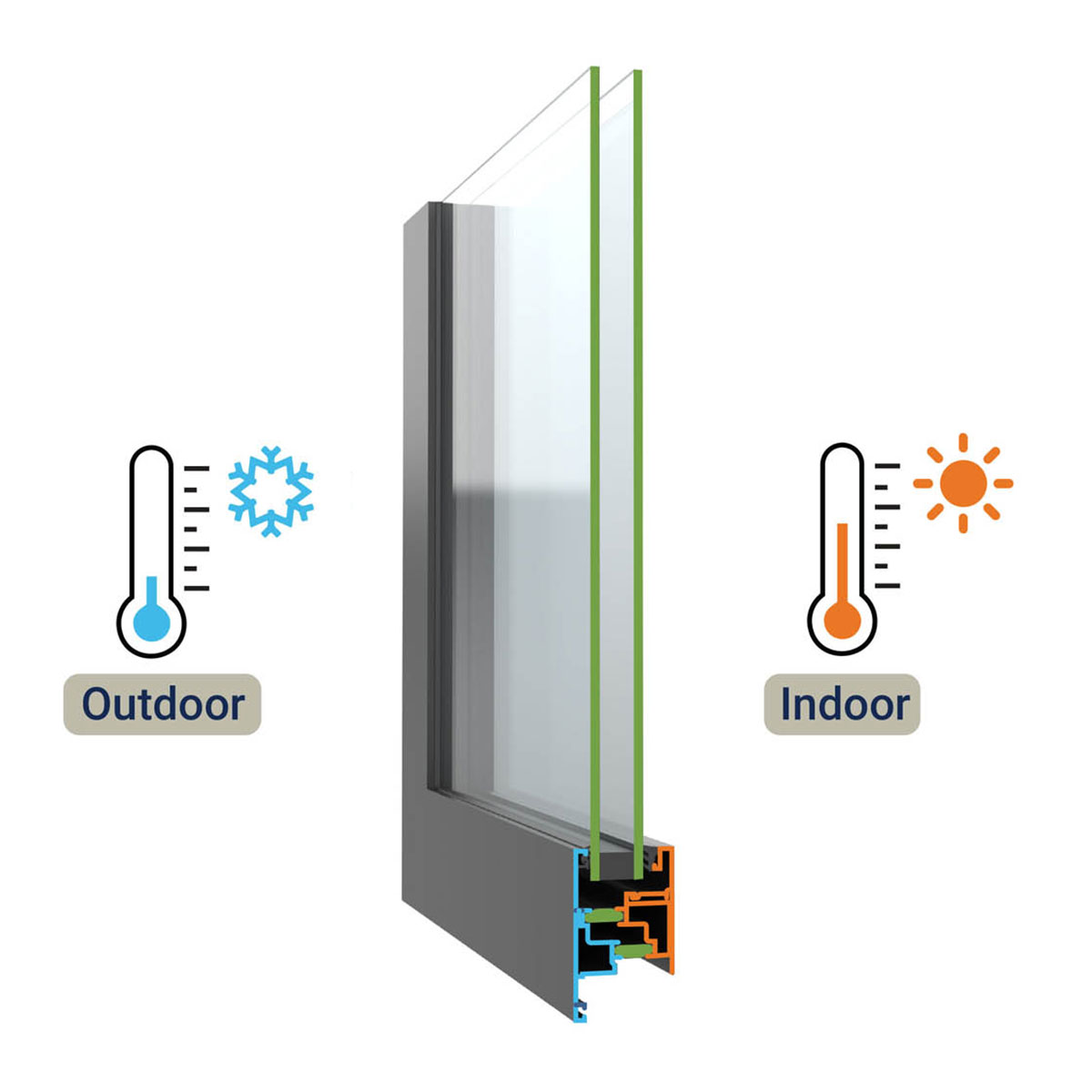
High-performance windows and doors are designed to maximize energy efficiency within a building. These specialized windows and doors are equipped with advanced features that help maintain a comfortable indoor environment while reducing the reliance on heating, ventilation, and air conditioning (HVAC) systems.
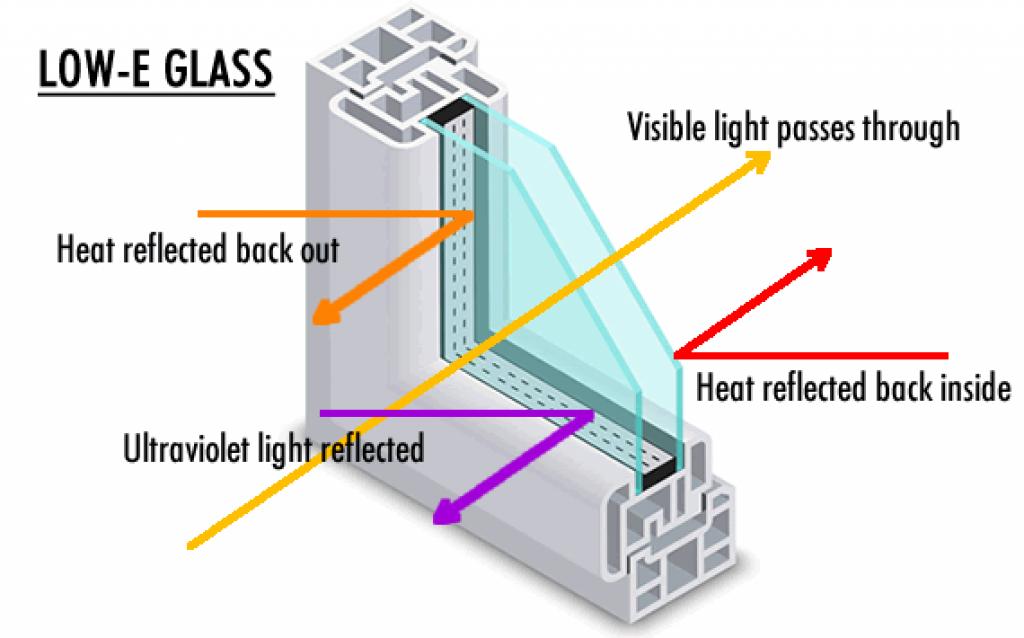
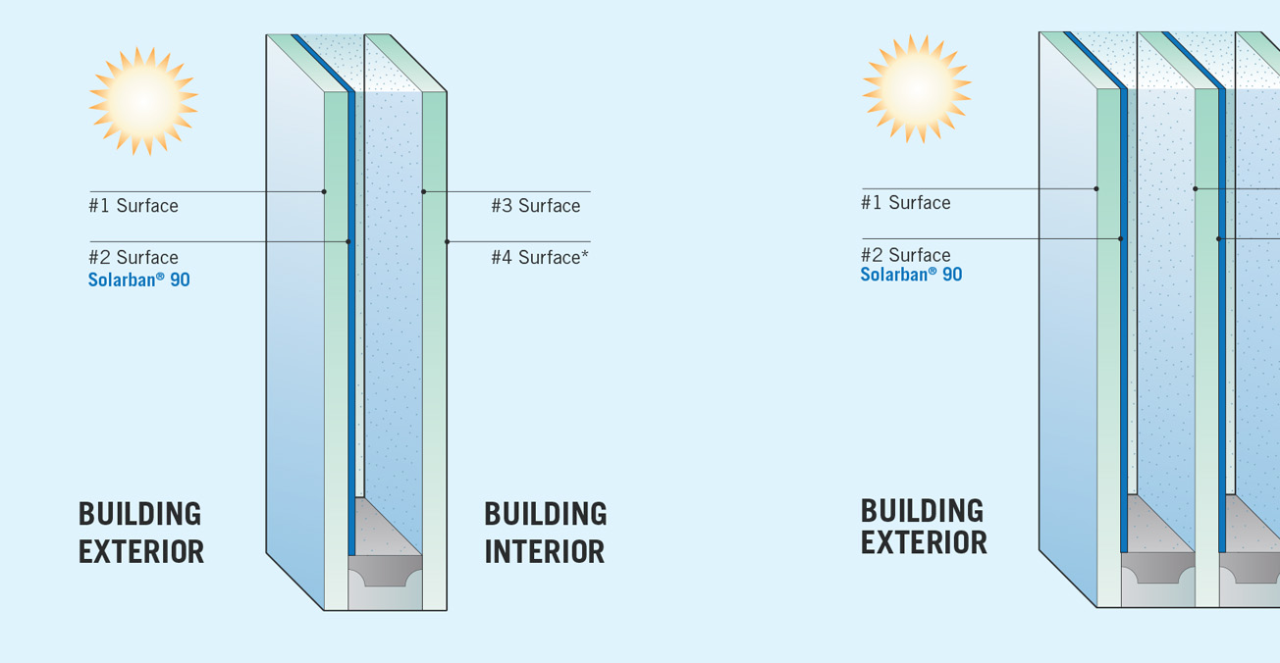
One key component of high-performance windows and doors is the use of low-E (low emissivity) glass. This type of glass is coated with a microscopic layer of metallic oxides that helps reflect heat while allowing light to pass through. By incorporating low-E glass into high-performance windows and doors, buildings can better regulate indoor temperatures, reduce heat transfer, and minimize the need for constant HVAC operation.
Significance of Low-E Glass in High-Performance Windows and Doors
- Low-E glass helps block harmful UV rays, protecting interior furnishings from fading and damage.
- The reflective properties of low-E glass reduce solar heat gain in the summer, lowering cooling costs.
- In colder months, low-E glass helps retain heat indoors, reducing the need for excessive heating.
Relationship between High-Performance Windows and Doors and HVAC Cost Reduction
High-performance windows and doors play a crucial role in reducing HVAC costs by improving insulation, minimizing air leakage, and enhancing overall energy efficiency. By effectively controlling heat transfer and maintaining consistent indoor temperatures, buildings with high-performance windows and doors can significantly decrease their reliance on HVAC systems, leading to lower energy bills and decreased environmental impact.
Benefits of Low-E Glass in High-Performance Windows and Doors
Low-E glass, or low emissivity glass, is a type of glass that has a special coating designed to minimize the amount of ultraviolet and infrared light that can pass through it. This unique feature allows low-E glass to reduce heat transfer, keeping the interior of a building cooler in the summer and warmer in the winter.
Reducing Heat Transfer
Low-E glass works by reflecting heat back to its source, whether that be the sun's rays in the summer or the interior heating in the winter. This process helps to maintain a more consistent indoor temperature, reducing the strain on heating, ventilation, and air conditioning (HVAC) systems.
Energy Efficiency Compared to Traditional Glass
When compared to traditional glass materials, low-E glass is far more energy-efficient. By reducing the need for excessive heating or cooling, low-E glass can significantly lower energy consumption and utility bills.
Savings on HVAC Costs
Using low-E glass in windows and doors can lead to substantial savings on HVAC costs. For example, a study by the Department of Energy found that switching to low-E windows can save homeowners up to 25% annually on heating and cooling costs.
This demonstrates the tangible benefits of incorporating low-E glass in high-performance windows and doors.
Design and Construction of High-Performance Windows and Doors
High-performance windows and doors are designed with specific features to enhance energy efficiency and reduce HVAC costs. The materials used in their construction play a crucial role, along with proper installation, in maximizing these benefits.
Key Design Features of High-Performance Windows and Doors
High-performance windows and doors typically incorporate the following key design features:
- Multi-pane glass: Double or triple-pane glass with insulating gas between the layers reduces heat transfer and improves insulation.
- Low-E coating: Low-emissivity coatings on glass surfaces minimize heat transfer, keeping interiors cooler in summer and warmer in winter.
- Insulated frames: Frames made of materials like vinyl, fiberglass, or composite materials provide better insulation and reduce thermal bridging.
- Airtight seals: Proper weather-stripping and sealing prevent air leaks, enhancing overall energy efficiency.
Materials Used in Constructing High-Performance Windows and Doors
The materials commonly used in constructing high-performance windows and doors include:
- Vinyl: Durable, low-maintenance, and energy-efficient material often used for window frames.
- Fiberglass: Strong, weather-resistant, and energy-efficient material suitable for both windows and doors.
- Wood: Traditional material offering natural insulation properties, often used in high-end window and door construction.
- Aluminum: Lightweight and durable material used in commercial applications for its strength and modern aesthetic.
Role of Proper Installation in Maximizing Energy Efficiency
Proper installation is crucial for maximizing the energy efficiency and cost-saving benefits of high-performance windows and doors. Improper installation can lead to air leaks, reduced insulation, and decreased overall performance. It is essential to ensure a professional installation that includes proper sealing, alignment, and insulation to achieve optimal results.
Case Studies and Real-World Applications
In this section, we will explore examples of buildings or projects that have successfully implemented high-performance windows and doors with low-E glass, highlighting the HVAC cost savings achieved and any challenges faced during implementation.
Energy-Efficient Office Building
- An energy-efficient office building in a major city implemented high-performance windows and doors with low-E glass to reduce heat transfer and improve insulation.
- As a result, the building experienced a significant decrease in HVAC costs, with savings of up to 30% on monthly energy bills.
- Challenges faced during implementation included the initial investment cost of the high-performance windows and doors, which was offset by long-term energy savings.
Residential Complex Renovation
- A residential complex undergoing renovation opted for high-performance windows and doors with low-E glass to enhance energy efficiency and indoor comfort.
- The retrofitting project led to a noticeable reduction in HVAC costs, with residents reporting a more consistent temperature and improved air quality.
- One of the challenges encountered was ensuring proper installation and sealing of the high-performance windows and doors to maximize their effectiveness.
Clarifying Questions
How does low-E glass work to reduce heat transfer?
Low-E glass has a thin coating that reflects heat, helping to maintain indoor temperatures and reduce the need for constant HVAC use.
What are some key design features of high-performance windows and doors?
Some key design features include multi-pane construction, insulated frames, and airtight seals for maximum energy efficiency.
Can using low-E glass in windows and doors really save on HVAC costs?
Absolutely, low-E glass helps to reduce heat loss or gain, leading to lower energy consumption and ultimately saving on HVAC costs.