

Introduction

Condensation and mold prevention are crucial aspects of maintaining a healthy and comfortable living environment. Condensation occurs when warm, moist air comes into contact with a cold surface, leading to water droplets forming. Mold, on the other hand, thrives in damp and humid conditions, often resulting from unchecked condensation.
Preventing condensation and mold is essential to avoid damage to property, potential health issues, and the overall deterioration of the home.When it comes to windows, choosing the right material can play a significant role in condensation and mold prevention. Vinyl and aluminum windows are two popular options, each with its pros and cons in this regard.
Let's delve into the comparison between vinyl and aluminum windows to understand how they can impact condensation and mold prevention in homes.
Condensation Prevention

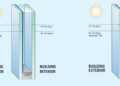
Condensation on windows can lead to various issues such as mold growth and damage to window frames. It occurs when warm, moist air comes into contact with a cold surface like a window, causing the moisture in the air to condense into water droplets.
Vinyl Windows
Vinyl windows are effective in preventing condensation due to their thermal properties. Vinyl is a poor conductor of heat, which means that the interior surface of vinyl windows remains closer to room temperature, reducing the likelihood of condensation forming.
Aluminum Windows
In contrast, aluminum windows are more prone to condensation as aluminum is a good conductor of heat. This causes the interior surface of aluminum windows to be colder, leading to condensation forming more easily.
Mold Prevention

Vinyl windows play a crucial role in preventing mold growth in homes due to their ability to resist condensation and moisture buildup. This is essential in maintaining a healthy indoor environment and preventing potential health hazards associated with mold growth.
Common Causes of Mold Growth
- Poor ventilation leading to trapped moisture
- Leaking pipes or roofs
- Flooding or water damage
Contrast between Vinyl and Aluminum Windows for Mold Prevention
Vinyl windows have superior insulation properties compared to aluminum windows, reducing the likelihood of condensation forming on the interior surfaces. This, in turn, helps in preventing mold growth as moisture is kept at bay. On the other hand, aluminum windows are more prone to condensation due to their conductive properties, which can create an environment conducive to mold growth if not properly managed.
Pros and Cons of Vinyl Windows
When it comes to condensation and mold prevention, vinyl windows have their own set of advantages and drawbacks that should be considered before making a decision on which type of windows to install.
Advantages of Vinyl Windows
- Vinyl windows are highly resistant to condensation due to their thermal efficiency. The material does not transfer heat as easily as other window materials, reducing the likelihood of condensation forming on the glass.
- These windows are also non-porous, which means they are not susceptible to moisture absorption. This feature helps in preventing mold growth as there is no surface for mold to thrive on.
- Vinyl windows are low maintenance and do not require regular painting or sealing to protect against moisture. This makes them a convenient option for homeowners looking to prevent condensation and mold in their homes.
Drawbacks of Vinyl Windows
- One limitation of vinyl windows is that they may not be as durable as other materials like aluminum. Extreme weather conditions or physical impact can cause the vinyl to warp or crack, potentially compromising their effectiveness in preventing condensation and mold.
- Some homeowners may find the aesthetic appeal of vinyl windows to be inferior to other materials, which could be a drawback for those looking for a more visually appealing option for their homes.
Real-life Examples of Successful Use of Vinyl Windows
One homeowner in a humid climate installed vinyl windows throughout their house and noticed a significant decrease in condensation on the glass surfaces. This helped in preventing mold growth and maintaining a healthier indoor environment.
Another real-life example is a renovation project where vinyl windows were installed in a basement prone to moisture issues. The homeowners reported a noticeable improvement in air quality and a reduction in mold growth after the installation.
Pros and Cons of Aluminum Windows
Aluminum windows offer unique advantages and disadvantages when it comes to preventing condensation and mold. Let's explore these aspects in detail.
Benefits of Aluminum Windows for Condensation and Mold Prevention
- Aluminum windows are highly durable and resistant to corrosion, making them less prone to moisture damage compared to other materials.
- They provide excellent thermal performance, reducing the likelihood of condensation forming on the interior surface of the windows.
- Aluminum frames are easy to maintain and clean, preventing mold growth due to accumulated dirt or grime.
Challenges of Aluminum Windows for Mold and Condensation Prevention
- Aluminum, being a good conductor of heat, can lead to higher condensation levels in certain weather conditions if not properly insulated.
- Condensation can occur on the exterior surface of aluminum windows in cold climates, potentially leading to water damage if not managed effectively.
- Aluminum frames may require additional insulation or thermal breaks to prevent thermal bridging, which can contribute to condensation and mold issues.
Case Studies on Performance of Aluminum Windows
A study conducted by [Research Institute] found that buildings equipped with aluminum windows showed a significant decrease in mold growth compared to those with traditional wooden frames, showcasing the effectiveness of aluminum in mold prevention.
In a real estate development project in [City], aluminum windows were installed to combat condensation issues, resulting in improved indoor air quality and reduced maintenance costs over time.
Installation and Maintenance Considerations
When it comes to preventing condensation and mold in your home, the installation and maintenance of your windows play a crucial role. Let's dive into how the installation and maintenance of vinyl windows can impact these factors, as well as compare them to aluminum windows.
Installation Process for Vinyl Windows
Installing vinyl windows involves fitting the frames tightly to prevent any gaps where moisture could seep through. This airtight seal is essential in preventing condensation buildup inside your home. Proper installation by professionals can significantly reduce the risk of mold growth as well.
Maintenance Requirements for Vinyl Windows
To ensure vinyl windows continue to efficiently prevent condensation and mold, regular maintenance is key. This includes cleaning the frames and glass regularly, checking for any signs of wear or damage, and ensuring the weatherstripping remains intact. By keeping your vinyl windows well-maintained, you can prolong their lifespan and effectiveness in combating moisture issues.
Comparison with Aluminum Windows
Unlike vinyl windows, aluminum windows require a different installation process that may not provide the same level of insulation against moisture. The conductivity of aluminum makes these windows more prone to condensation, which can lead to mold growth if not properly addressed.
Additionally, aluminum windows may need more frequent maintenance to prevent these issues compared to vinyl windows.
Question Bank
How do vinyl windows prevent condensation?
Vinyl windows prevent condensation by offering better insulation compared to aluminum windows, reducing the likelihood of moisture buildup.
What are the common causes of mold growth in homes?
Common causes of mold growth in homes include high humidity levels, poor ventilation, and water leaks.
Include other FAQs and answers following a similar structure