

Considerations for Heritage Restoration
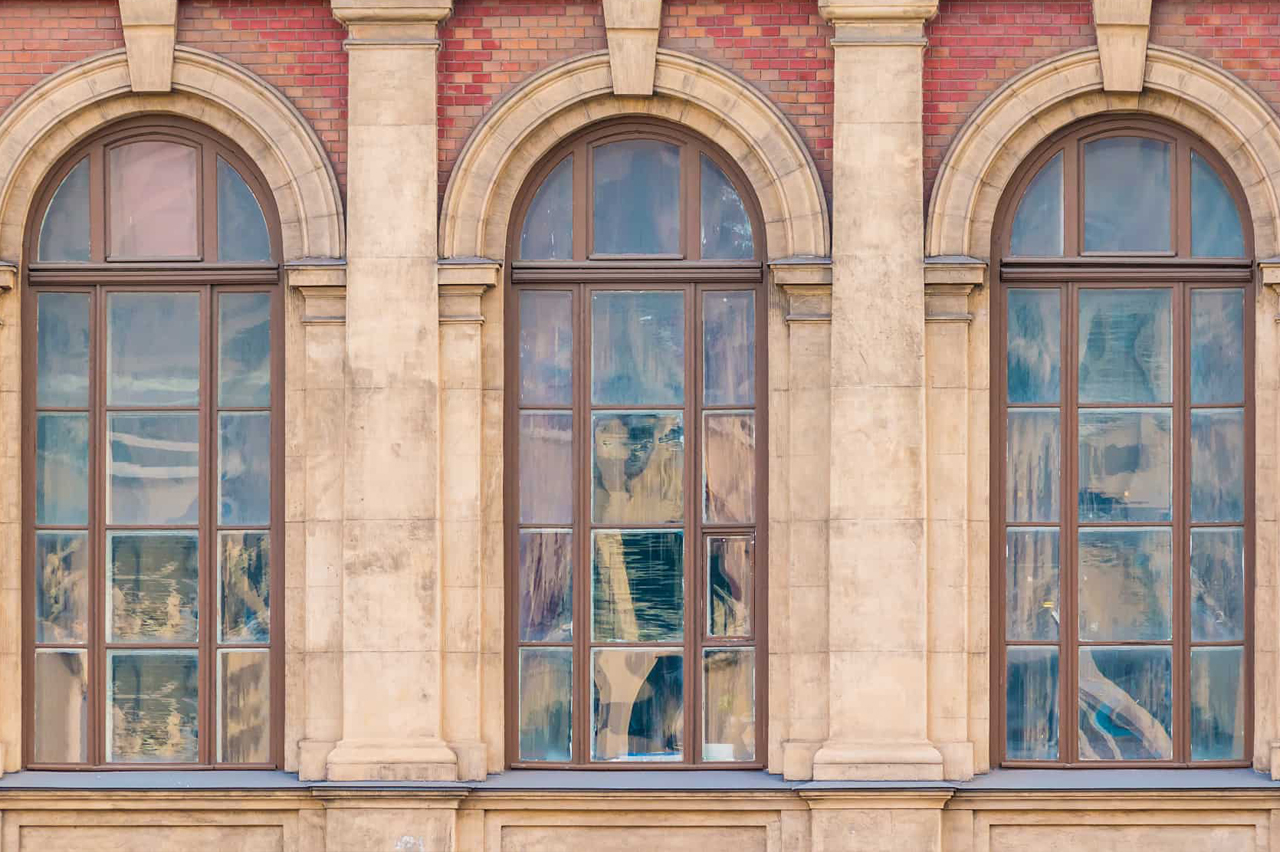
Preserving architectural heritage is crucial in maintaining the historical identity and cultural significance of a place. It allows us to connect with the past, appreciate the craftsmanship of previous generations, and understand the evolution of architectural styles over time.Blending modern requirements with historical aesthetics can be a challenging task.
The need for energy efficiency, safety standards, and functional design often conflict with the original features and materials of heritage buildings. Finding a balance between preserving the historical integrity and meeting contemporary demands requires careful planning and expertise.
Examples of Successful Heritage Restoration Projects
- The restoration of the Sydney Opera House in Australia, which maintained the iconic design while implementing modern technology for improved acoustics and structural stability.
- The renovation of the Palace of Westminster in the UK, where conservation efforts preserved the Gothic Revival architecture while upgrading facilities for parliamentary functions.
- The transformation of the High Line in New York City, repurposing an old railway into a public park while preserving the industrial heritage of the area.
Architectural Style Guide for Windows and Doors
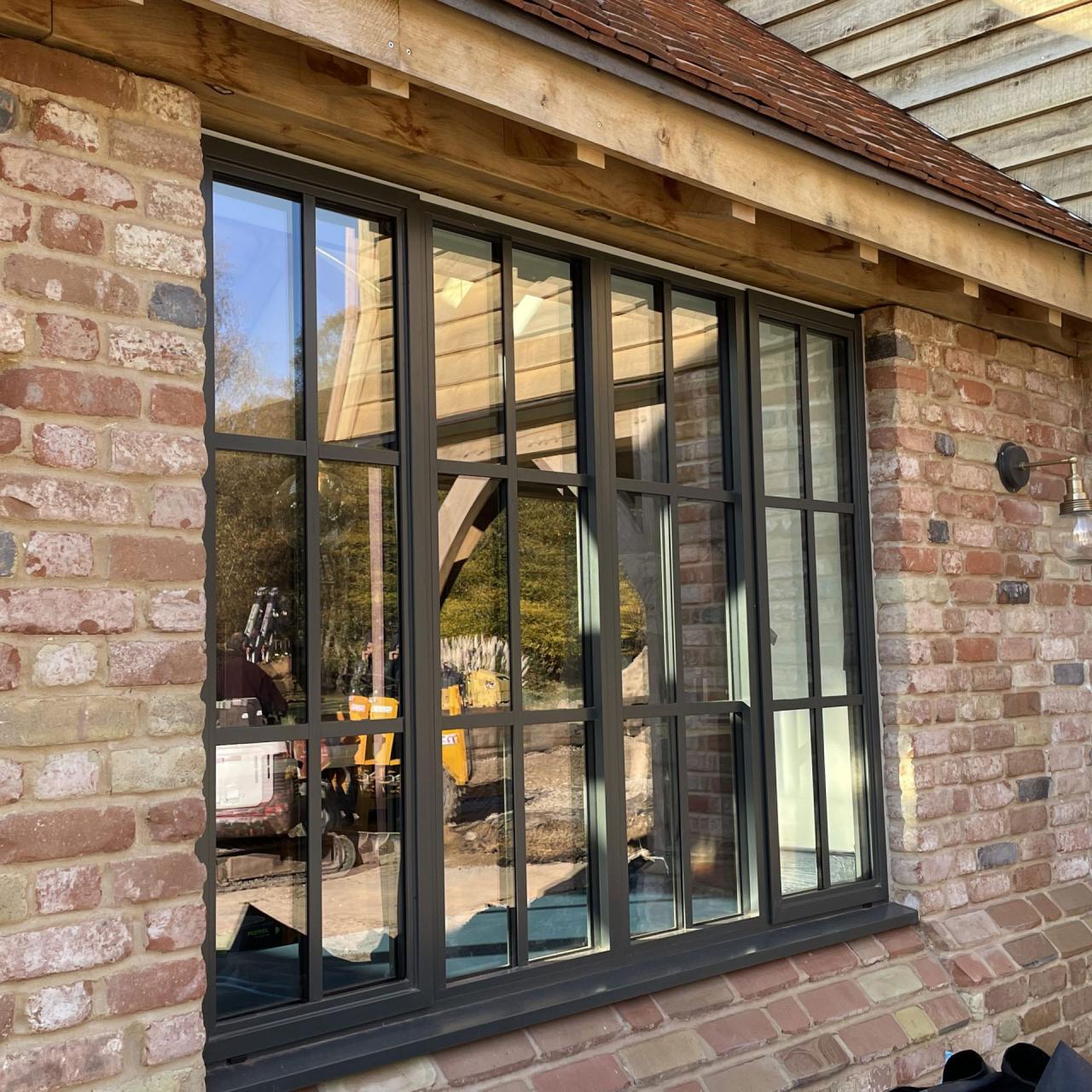
When it comes to heritage restoration, choosing the right windows and doors is crucial to maintaining the authenticity and charm of the building. Let's dive into the key features, design influences, and importance of historically accurate choices.
Key Features of Windows and Doors in Heritage Buildings
In heritage buildings, windows and doors often exhibit unique characteristics that reflect the architectural style of the time. Some common features include:
- Elaborate trim and moulding details
- Sash windows with multiple panes
- Stained glass or leaded glass panels
- Decorative hardware such as handles and hinges
Architectural Styles Influence on Window and Door Design
Architectural styles play a significant role in determining the design of windows and doors in heritage buildings. For example:
- Victorian architecture may feature ornate, highly decorative windows and doors
- Craftsman style homes often have simple, yet elegant wooden doors with geometric window patterns
- Art Deco buildings showcase sleek, streamlined windows and doors with bold geometric shapes
Significance of Choosing Historically Accurate Windows and Doors
Choosing historically accurate windows and doors is important for preserving the overall aesthetic and historical integrity of a heritage building. It helps maintain the original character and design intent, contributing to the authenticity and value of the property.
Materials and Finishes Selection
When it comes to heritage restoration, choosing the right materials and finishes for windows and doors is crucial in maintaining the authenticity of the architectural style.
Comparing Different Materials
- Wood: Known for its traditional look and versatility, wood is a popular choice for heritage windows and doors. It can be easily customized to match specific architectural styles.
- Metal: Metal materials like steel or wrought iron are durable and offer a sleek, modern look to heritage properties. They are often used in industrial or Art Deco style restorations.
Importance of Matching Finishes
Selecting finishes that closely match the original design of windows and doors is essential for a cohesive restoration project. Whether it's a weathered patina for a rustic farmhouse or a polished brass for a Victorian-era home, the right finish can enhance the overall aesthetic appeal.
Maintaining Historical Accuracy and Energy Efficiency
- Consider energy-efficient glazing options that mimic the appearance of traditional glass while providing modern insulation benefits.
- Opt for finishes that can be easily maintained and restored without compromising the historical integrity of the windows and doors.
- Consult with heritage restoration experts to find a balance between authenticity and energy efficiency, ensuring that the materials and finishes chosen meet both aesthetic and practical requirements.
Window and Door Design Considerations
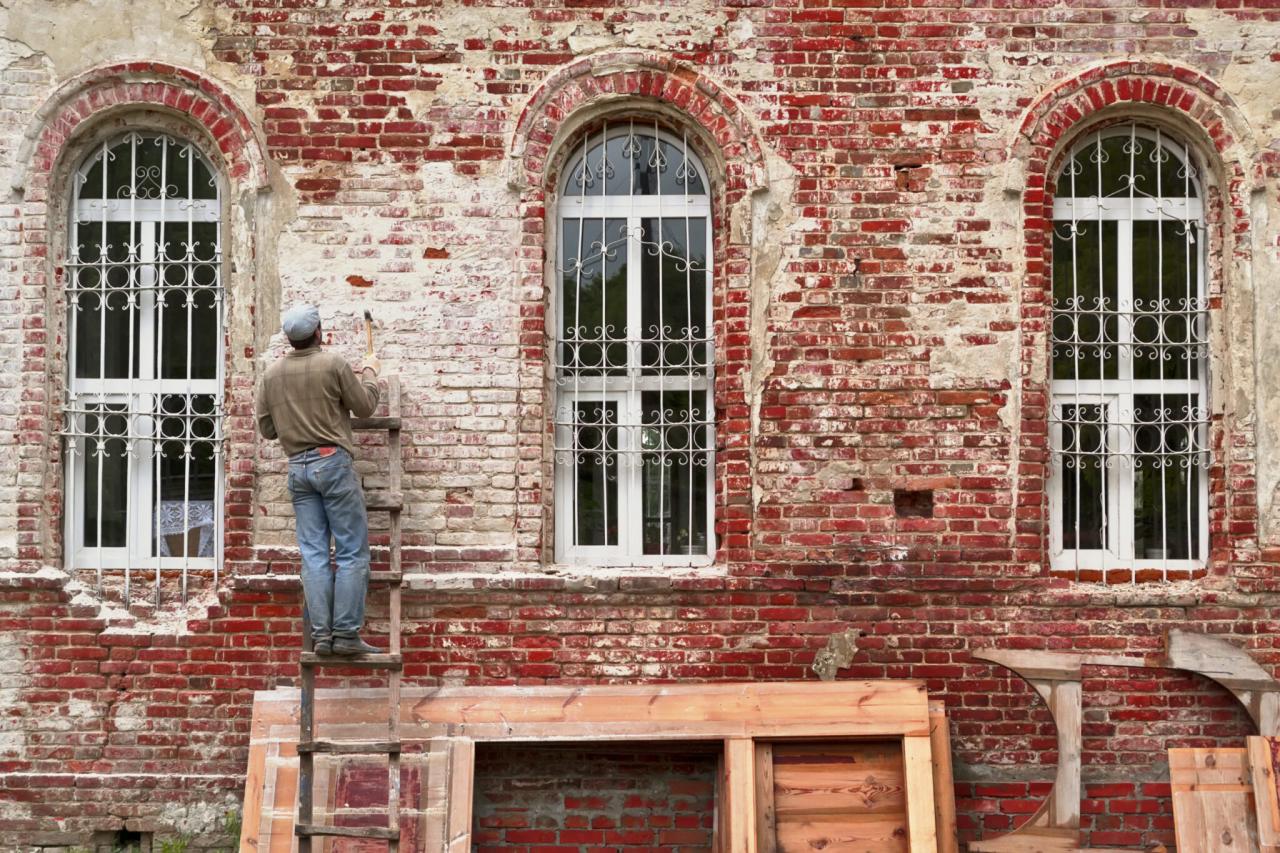
When it comes to restoring a heritage building, selecting the appropriate window styles for different architectural periods is crucial in maintaining the authenticity and historical accuracy of the structure.
Choosing Window Styles for Different Architectural Periods
Each architectural period has its distinct window styles that reflect the design trends of that era. For example, Victorian homes often feature elaborate bay windows with intricate detailing, while Craftsman-style houses typically have simple, square casement windows. It is essential to research and identify the window styles that were prevalent during the time your heritage building was constructed to ensure a seamless restoration.
- Victorian Era: Consider tall, narrow windows with decorative trims and stained glass accents.
- Art Deco Period: Opt for geometric shapes and sleek lines in window designs to capture the essence of this era.
- Mid-Century Modern: Look for large, expansive windows with minimal frames to achieve the iconic mid-century aesthetic.
Enhancing Aesthetic with Door Designs
Doors play a significant role in enhancing the overall aesthetic of a heritage building. They serve as focal points and can add character and charm to the architecture. Choosing the right door design that complements the style of the building can elevate its visual appeal.
- Consider traditional panel doors for a classic look or ornate carved wooden doors for a more intricate design.
- Match the door design with the architectural style of the building, whether it's Georgian, Gothic Revival, or Colonial.
- Pay attention to details such as hardware, color, and finish to ensure cohesiveness with the overall design.
Customizing Windows and Doors for Restoration Needs
Every heritage restoration project comes with its unique requirements and challenges. Customizing windows and doors to fit specific restoration needs is essential to ensure a seamless blend of old-world charm with modern functionality.
- Work with skilled craftsmen to recreate custom window and door designs that match the original aesthetics of the building.
- Consider energy-efficient options while customizing windows and doors to improve the building's sustainability without compromising its historic integrity.
- Ensure that the materials and finishes used in customization align with the heritage guidelines and regulations to maintain the authenticity of the restoration.
FAQ Section
What are the challenges of blending modern requirements with historical aesthetics?
Balancing functionality with historical charm can be a delicate task. It involves integrating modern features while preserving the authentic look and feel of heritage buildings.
How do architectural styles influence window and door design choices?
Architectural styles dictate the shape, size, and detailing of windows and doors. They play a crucial role in maintaining the historical integrity of a building.
Why is it important to choose historically accurate windows and doors for heritage restoration?
Historically accurate windows and doors ensure the authenticity of a restoration project, preserving the original character of the building.