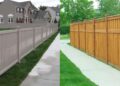


Introduction to Vinyl and Wood Fencing
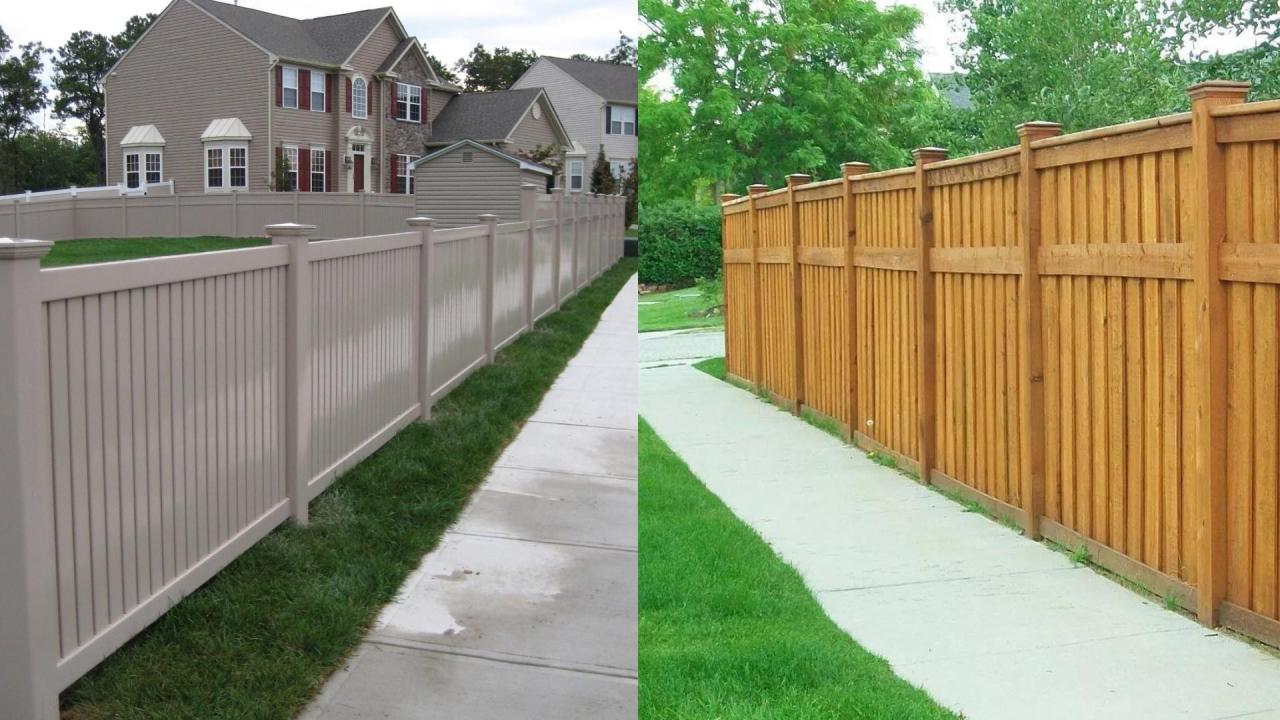
When it comes to choosing fencing materials for modern backyards, two popular options that often come to mind are vinyl and wood fencing. Each material has its own unique characteristics and features that cater to different aesthetic preferences and practical needs.
Vinyl Fencing
- Vinyl fencing is a synthetic material made from PVC (polyvinyl chloride), known for its durability and low maintenance requirements.
- It is available in a variety of colors and styles, offering a sleek and modern look to any backyard.
- Unlike wood, vinyl fencing does not require painting or staining, making it a hassle-free option for homeowners.
Wood Fencing
- Wood fencing provides a classic and natural look to outdoor spaces, adding a warm and rustic feel to the backyard.
- It can be easily customized and stained to match the existing aesthetics of the property, offering a timeless appeal.
- However, wood fencing requires regular maintenance, such as painting, staining, and sealing, to protect it from the elements and ensure longevity.
Both vinyl and wood fencing options have their own charm and appeal, attracting homeowners with different style preferences. The choice between the two often comes down to personal taste, budget constraints, and maintenance considerations.
Aesthetics of Vinyl Fencing
When it comes to the aesthetic appeal of vinyl fencing in a backyard setting, it offers a sleek and modern look that can complement various styles of landscaping and outdoor decor.
Color Options for Vinyl Fencing
Vinyl fencing comes in a wide range of color options, allowing homeowners to choose the perfect shade to match their backyard aesthetic. Some popular choices include classic white, earthy tones like tan and beige, as well as darker shades like grey and black.
This versatility in color options makes it easier to customize the look of your backyard while still maintaining a modern and clean appearance.
Enhancing the Modern Backyard Aesthetic with Vinyl Fencing
Vinyl fencing can enhance the modern backyard aesthetic by providing a clean and polished look that requires minimal maintenance. Its smooth surface and uniform color create a sleek and contemporary appearance that can elevate the overall design of the outdoor space.
Additionally, vinyl fencing is durable and long-lasting, ensuring that your backyard will maintain its modern appeal for years to come.
Aesthetics of Wood Fencing
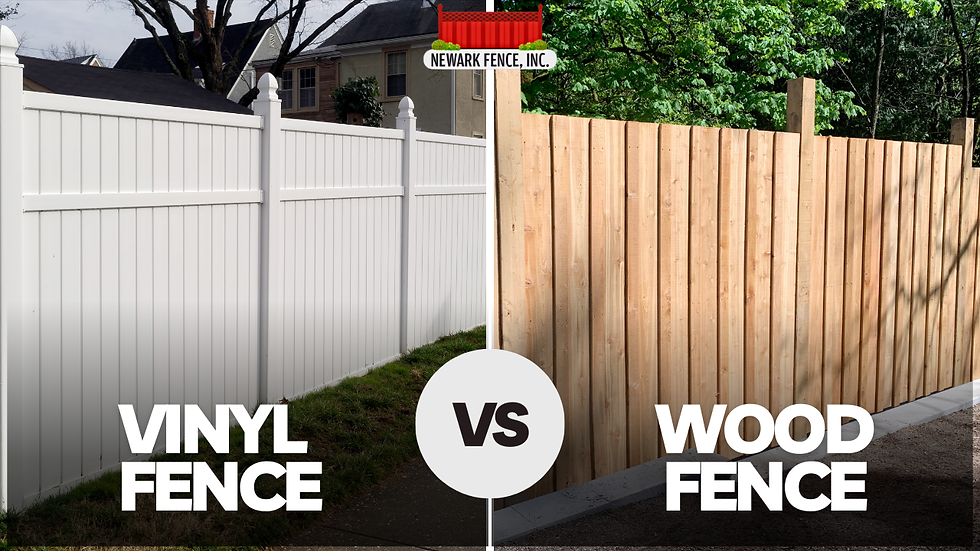
Wood fencing is often associated with a rustic charm that adds a warm and inviting feel to any backyard. The natural look of wood brings a sense of authenticity and blends seamlessly with outdoor surroundings.
Natural Look of Wood Fencing
Wood fencing offers a timeless appeal with its organic texture and earthy tones. The natural grains and knots in the wood create a unique and character-filled appearance that cannot be replicated by other materials. This aesthetic quality enhances the overall visual appeal of a backyard, making it feel like a natural extension of the environment.
Maintenance Requirements for Wood Fencing
To maintain the aesthetic appeal of wood fencing, regular upkeep is essential. This includes staining or painting the wood to protect it from weathering and rotting. Additionally, cleaning and sealing the wood periodically can help preserve its color and texture
Without proper maintenance, wood fencing may lose its charm and deteriorate over time.
Environmental Impact and Sustainability
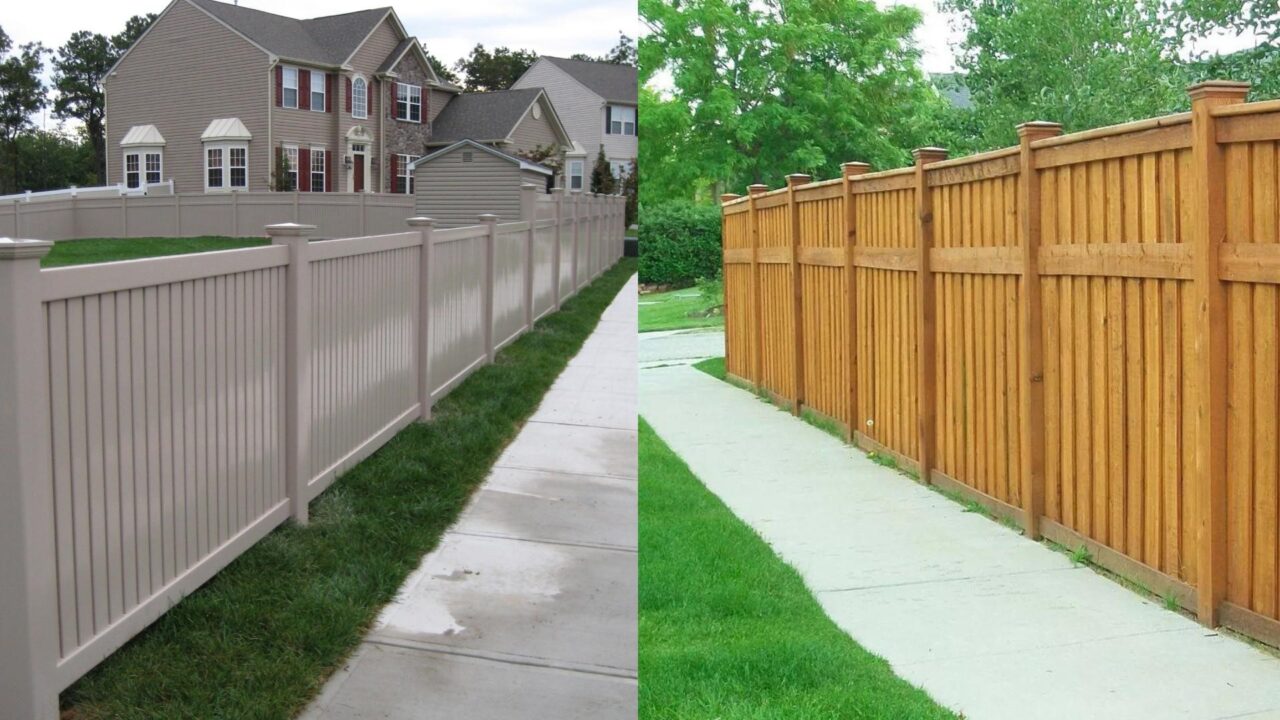
When considering the environmental impact and sustainability of fencing materials for your modern backyard, it's essential to compare the characteristics of vinyl and wood options. Both materials have distinct attributes that can influence their eco-friendliness and long-term viability.Vinyl Fencing:
Environmental Impact of Vinyl Fencing
- Vinyl fencing is made from PVC (polyvinyl chloride), which is a synthetic plastic material.
- The production of PVC involves chemical processes that can release harmful pollutants into the environment.
- While vinyl fencing is durable and low maintenance, it is not biodegradable and can contribute to landfill waste.
Sustainability Factors of Vinyl Fencing
- Some manufacturers offer recycled vinyl options, which can reduce the environmental impact of new material production.
- However, the overall sustainability of vinyl fencing is debated due to its reliance on non-renewable resources and energy-intensive manufacturing processes.
Eco-Friendly Aspects of Vinyl Fencing
- Vinyl fencing does not require painting or staining, reducing the use of chemical treatments over time.
- Its longevity and resistance to rot, decay, and pests can contribute to a lower need for replacement, potentially reducing overall environmental impact.
Wood Fencing:
Environmental Impact of Wood Fencing
- Wood fencing is a natural material sourced from trees, which can be a renewable resource if harvested responsibly.
- The production of wood fencing involves logging and processing, which can impact forest ecosystems if not managed sustainably.
- Untreated wood fencing is biodegradable and can decompose naturally at the end of its lifespan.
Sustainability Factors of Wood Fencing
- Choosing sustainably sourced wood, such as FSC-certified lumber, can support responsible forest management practices and biodiversity conservation.
- Regular maintenance, such as sealing or staining, can extend the lifespan of wood fencing and reduce the frequency of replacement.
Eco-Friendly Aspects of Wood Fencing
- Wood fencing blends well with natural surroundings and can enhance the aesthetic appeal of a backyard, promoting a sense of harmony with the environment.
- Recycling or repurposing wood fencing materials at the end of their use can further reduce waste and support sustainable practices.
Detailed FAQs
Is vinyl fencing more durable than wood fencing?
Vinyl fencing is generally more durable and requires less maintenance compared to wood fencing, making it a popular choice for long-term use.
What are the color options available for wood fencing?
Wood fencing offers a natural color palette, usually ranging from light browns to deep reds, allowing for a classic and timeless look in any backyard.
Which fencing material is more environmentally friendly?
Wood fencing is considered more environmentally friendly as it is a renewable resource, whereas vinyl fencing is a synthetic material that may not be as sustainable.