

Vinyl Fencing Maintenance
Vinyl fencing is known for its low maintenance requirements, making it a popular choice among homeowners looking for hassle-free fencing options. Unlike wood fencing, vinyl does not need to be painted, stained, or sealed to maintain its appearance.
Maintenance Requirements
- Regular cleaning with soap and water to remove dirt and grime.
- Annual inspection for any damage or loose components that may need repair.
- No need for painting, staining, or sealing like wood fencing.
Preserving Appearance
- Regular cleaning helps prevent mold and mildew growth, maintaining the fence's aesthetics.
- Avoid using harsh chemicals or abrasive materials that can damage the vinyl surface.
- Inspect for any discoloration or fading and address promptly to prevent further deterioration.
Maintenance Costs Comparison
Vinyl fencing may have a higher upfront cost compared to wood fencing, but the long-term maintenance costs are significantly lower. With minimal upkeep requirements and no need for frequent painting or staining, homeowners can save money on maintenance over the years.
Wood Fencing Maintenance
Maintaining wood fencing requires regular care and attention to ensure its longevity and aesthetic appeal. Unlike vinyl fencing, wood fencing is more prone to damage from the elements and requires more frequent maintenance tasks.
Maintenance Tasks for Wood Fencing
- Regular cleaning to remove dirt, debris, and mold buildup.
- Applying sealant or stain to protect the wood from moisture and UV rays.
- Checking for loose or damaged boards and replacing them as needed.
- Trimming vegetation around the fence to prevent rot and pests.
Regular Maintenance Schedule
- Inspect the fence at least once a year for any signs of damage.
- Clean the fence with a mild detergent and water solution every 6 months.
- Reapply sealant or stain every 2-3 years to maintain protection.
- Address any repairs promptly to prevent further damage.
Challenges in Maintaining Wood Fencing
- Wood is susceptible to rot, warping, and insect damage, requiring constant vigilance.
- Weather conditions can impact the integrity of the wood, leading to more frequent maintenance needs.
- Maintaining wood fencing can be time-consuming and costly compared to vinyl fencing.
- Improper maintenance can result in premature deterioration of the wood, requiring costly repairs or replacement.
Durability of Vinyl Fencing
Vinyl fencing is known for its exceptional durability, making it a popular choice among homeowners looking for a long-lasting fencing option. Unlike wood fencing, vinyl is resistant to rot, decay, insects, and moisture, which can significantly extend its lifespan.
Weather Resistance
Vinyl fencing is highly durable in various weather conditions. It can withstand extreme heat, cold, rain, and snow without warping, cracking, or fading. This makes it an ideal choice for homeowners living in regions with unpredictable weather patterns.
- Vinyl fencing typically lasts for 20-30 years, depending on the quality of the material and installation.
- Unlike wood fencing, vinyl does not require regular maintenance such as staining, painting, or sealing, further enhancing its longevity.
- Due to its weather-resistant properties, vinyl fencing is less likely to deteriorate over time compared to wood fencing, which can warp, rot, or splinter.
Durability of Wood Fencing
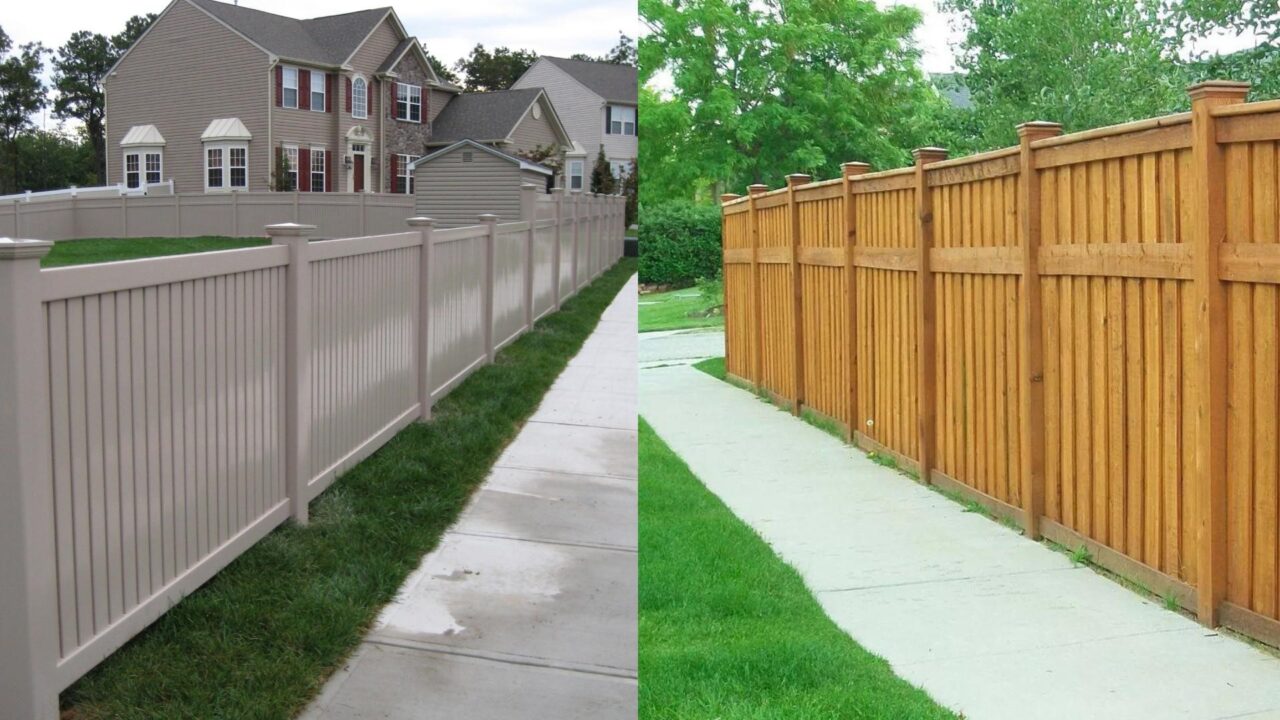
Wood fencing is a popular choice for homeowners due to its natural look and feel
Factors Affecting Durability
Several factors can impact the durability of wood fencing:
- The type of wood used: Different types of wood have varying levels of durability. Hardwoods like cedar and redwood are more resistant to rot and decay compared to softer woods like pine.
- Climate and weather conditions: Exposure to harsh weather elements such as rain, snow, and UV rays can accelerate the deterioration of wood fencing.
- Maintenance: Proper maintenance, including regular staining or sealing, can help prolong the lifespan of wood fencing.
Common Issues with Durability
Common issues that can arise with the durability of wood fencing include:
- Rot and decay: Without proper maintenance and treatment, wood fencing is susceptible to rot and decay over time.
- Warped or cracked boards: Changes in temperature and moisture levels can cause wood boards to warp or crack, compromising the structural integrity of the fence.
- Pest infestation: Insects like termites can damage wood fencing, leading to costly repairs or replacements.
Comparison to Vinyl Fencing
When compared to vinyl fencing, wood fencing typically has a shorter lifespan due to its susceptibility to rot, decay, and other issues mentioned above. While vinyl fencing may require a higher upfront cost, it is generally more durable and low-maintenance in the long run.
Aesthetics and Maintenance
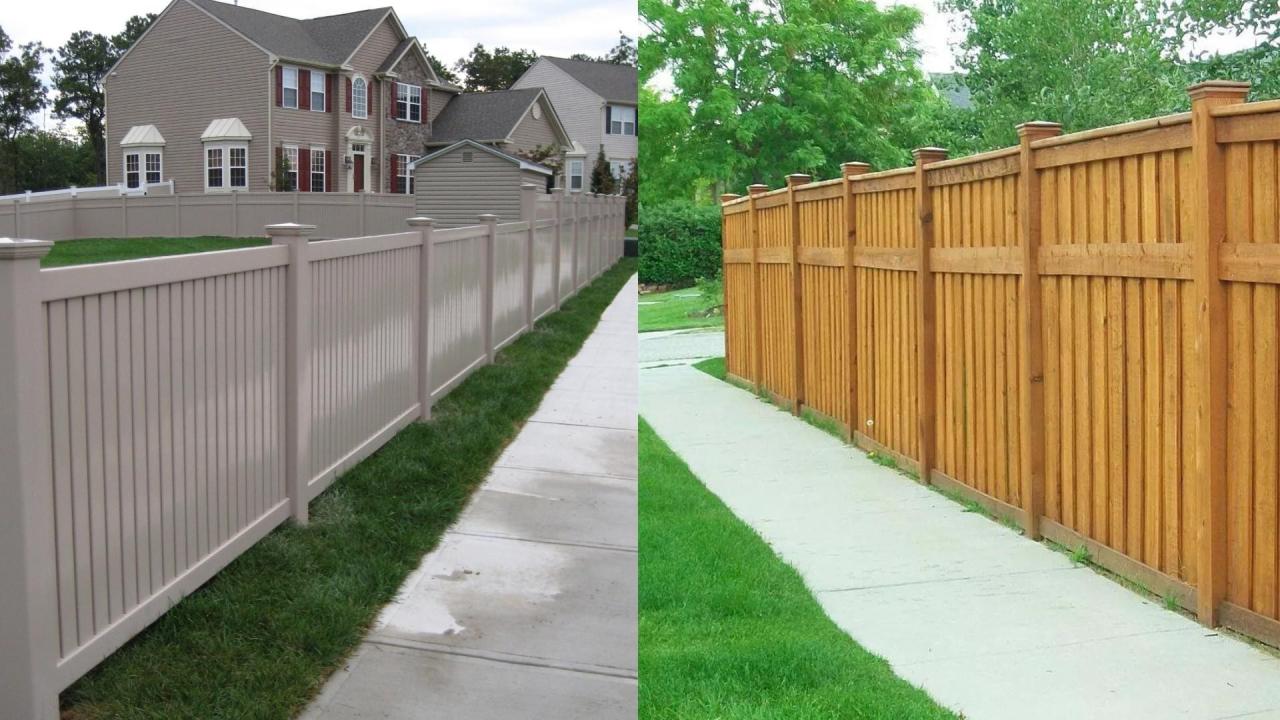
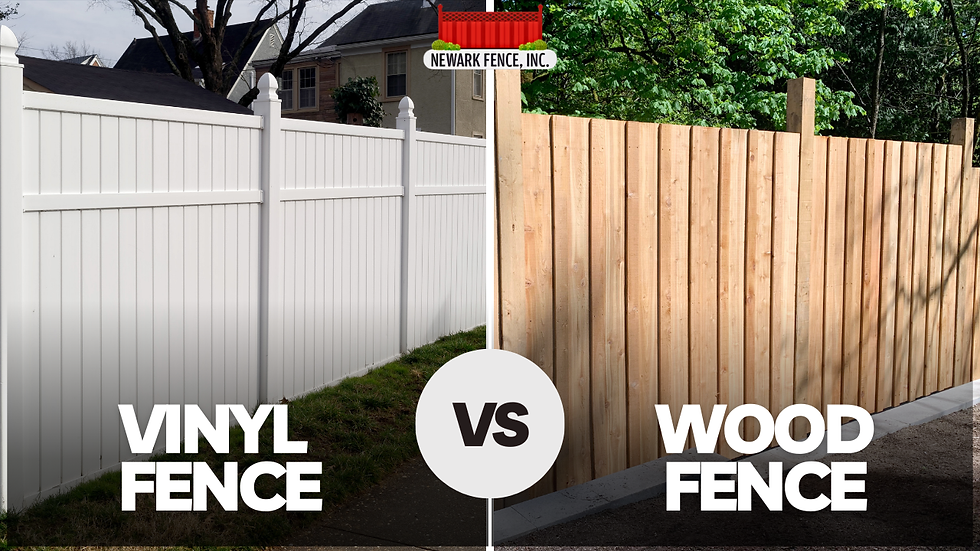
When it comes to choosing between vinyl fencing and wood fencing, aesthetics play a crucial role in homeowners' decisions regarding maintenance. The visual appeal of the fencing material can significantly impact the amount of effort and resources required to keep it looking good over time.
Impact of Visual Appeal on Maintenance Decisions
The sleek and modern look of vinyl fencing often appeals to homeowners who prefer a clean and uniform appearance for their property. The smooth surface of vinyl makes it easy to clean with just soap and water, requiring minimal maintenance to maintain its original aesthetic appeal.
On the other hand, wood fencing offers a more rustic and natural look that can add charm and character to a property. However, the porous nature of wood makes it more susceptible to mold, mildew, and rot, requiring regular staining, sealing, and repairs to preserve its aesthetics.
Comparison of Maintenance Efforts for Aesthetics
- Vinyl fencing: Requires occasional cleaning with soap and water to remove dirt and grime. No need for painting, staining, or sealing to maintain its appearance.
- Wood fencing: Needs regular staining or painting every few years to protect it from the elements and maintain its color. Periodic sealing is also necessary to prevent moisture damage and ensure longevity.
Environmental Impact
Vinyl fencing has been a popular choice for homeowners due to its low maintenance requirements and durability. However, the environmental implications of using vinyl fencing are a cause for concern. Vinyl is a synthetic material made from PVC (polyvinyl chloride), which is known to release harmful chemicals into the environment during production and disposal.
This can have a negative impact on air and water quality, as well as contribute to greenhouse gas emissions.
Sustainability of Wood Fencing vs Vinyl Fencing
When comparing wood fencing to vinyl fencing in terms of sustainability, wood has the upper hand. Wood is a natural and renewable resource that can be sourced from responsibly managed forests. In contrast, vinyl is a petroleum-based product that is not biodegradable and relies on non-renewable resources for its production.
This makes wood fencing a more sustainable option for environmentally-conscious homeowners.
Environmental Impact on Homeowners' Choices
The environmental impact of vinyl and wood fencing plays a significant role in influencing homeowners' choices. Some homeowners prioritize sustainability and opt for wood fencing despite its maintenance requirements. Others may value the low maintenance and longevity of vinyl fencing, overlooking its environmental drawbacks.
Ultimately, the decision between vinyl and wood fencing comes down to personal values and priorities when it comes to environmental impact.
Questions Often Asked
What are the maintenance requirements for vinyl fencing?
The maintenance requirements for vinyl fencing typically involve periodic cleaning with soap and water to remove dirt and debris.
How long does vinyl fencing usually last?
Vinyl fencing can last for decades with proper maintenance and is known for its durability.
What factors impact the durability of wood fencing?
The durability of wood fencing can be influenced by exposure to weather elements, quality of wood used, and maintenance practices.
How does the aesthetics of wood fencing influence maintenance choices?
Homeowners may choose to maintain wood fencing more diligently to preserve its natural beauty and charm.
What are the environmental implications of using vinyl fencing?
Vinyl fencing is not biodegradable and may have environmental consequences if not properly disposed of.