

Vinyl Fencing vs Wood Fencing: Aesthetics and Design
When it comes to choosing between vinyl fencing and wood fencing, one important factor to consider is the aesthetics and design options available for each type.
Aesthetic Differences
Vinyl fencing often has a sleek and modern look, while wood fencing has a more traditional and rustic appearance. The smooth surface of vinyl can give a contemporary feel to the property, whereas the natural grain and texture of wood provide a warm and inviting look.
Design Options
Vinyl fencing comes in a variety of colors and styles, including privacy panels, picket fences, and decorative designs. On the other hand, wood fencing offers options such as cedar, pine, or redwood, with choices like board-on-board, shadowbox, or lattice designs.
Complementing Architectural Styles
Vinyl fencing is well-suited for modern and minimalist architectural styles, enhancing the clean lines and simplicity of the design. Wood fencing, on the other hand, complements traditional, farmhouse, or cottage-style homes, adding a touch of warmth and charm to the exterior.
Customization Options
While both vinyl and wood fencing can be customized to fit specific needs, vinyl offers more color choices and low-maintenance finishes. Wood fencing, on the other hand, allows for staining or painting to match the exterior of the house or achieve a desired look.
Environmental Impact
Vinyl fencing, while durable and low-maintenance, poses environmental concerns due to its production process. The manufacturing of vinyl fencing involves the use of petroleum-based materials and chemicals, which can have negative impacts on air and water quality. Additionally, the disposal of vinyl fencing at the end of its lifespan can contribute to environmental pollution.
Vinyl Fencing Production
- Requires petroleum-based materials and chemicals
- Can release harmful emissions during production
- Contributes to pollution during disposal
Sustainability of Wood Fencing
Wood fencing, on the other hand, is a sustainable option when sourced from responsibly managed forests. Wood is a renewable resource that can be harvested and replanted, making it a more eco-friendly choice compared to vinyl fencing.
Eco-Friendliness Comparison
- Wood fencing is biodegradable and can be recycled
- Wood has a lower carbon footprint compared to vinyl
- Vinyl fencing requires more energy to produce and is not biodegradable
Long-Term Benefits
Choosing sustainable fencing options, such as wood fencing, can have long-term benefits for the environment. By opting for eco-friendly materials, homeowners can reduce their carbon footprint, support responsible forestry practices, and contribute to a healthier planet for future generations.
Durability and Maintenance
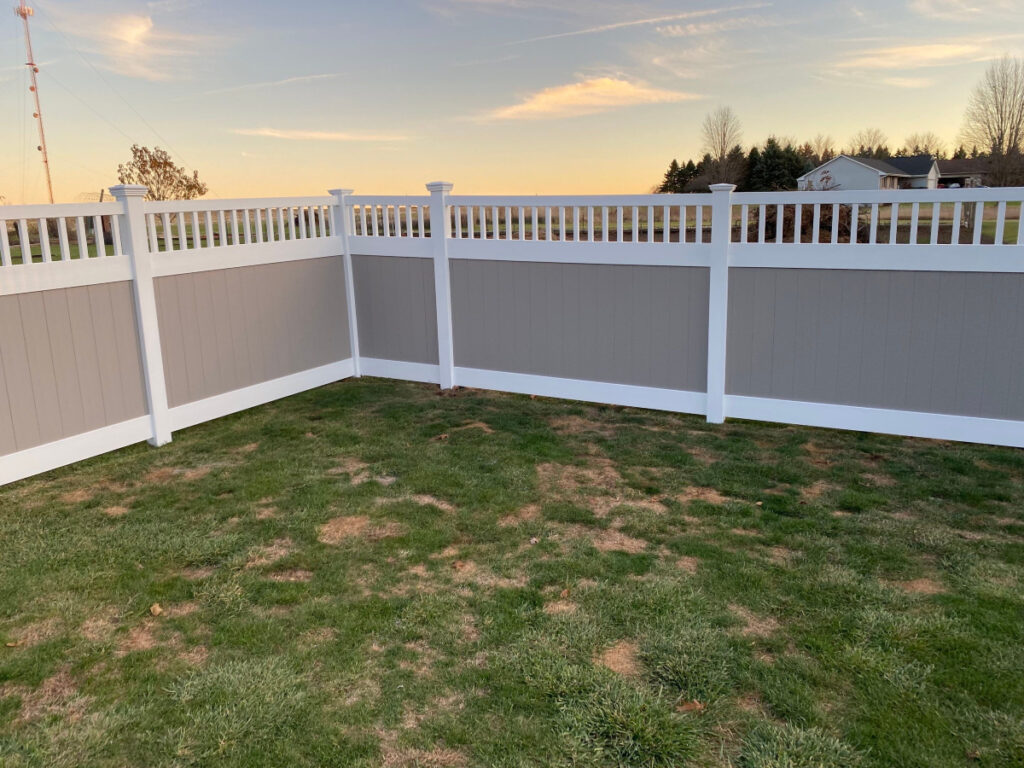
When it comes to choosing between vinyl and wood fencing, considering the durability and maintenance requirements is crucial for eco-conscious owners looking for sustainable options.
Durability in Different Weather Conditions
- Vinyl fencing is known for its durability in various weather conditions, including resistance to moisture, rot, and pests.
- Wood fencing, on the other hand, may require more maintenance to withstand weather elements like rain, snow, and UV exposure.
Maintenance Requirements
- Vinyl fencing typically requires minimal maintenance, only needing occasional cleaning with soap and water to maintain its appearance.
- Wood fencing, however, may need regular staining, sealing, or painting to prevent rot, mold, and insect damage.
Lifespan and Repair Costs
- Vinyl fencing is known for its long lifespan, lasting up to 30 years or more with minimal maintenance.
- Wood fencing, while durable, may have a shorter lifespan of around 15-20 years and require more frequent repairs and replacements.
- Repair and replacement costs for vinyl fencing are generally lower due to its durability and low maintenance requirements compared to wood fencing.
Cost Considerations
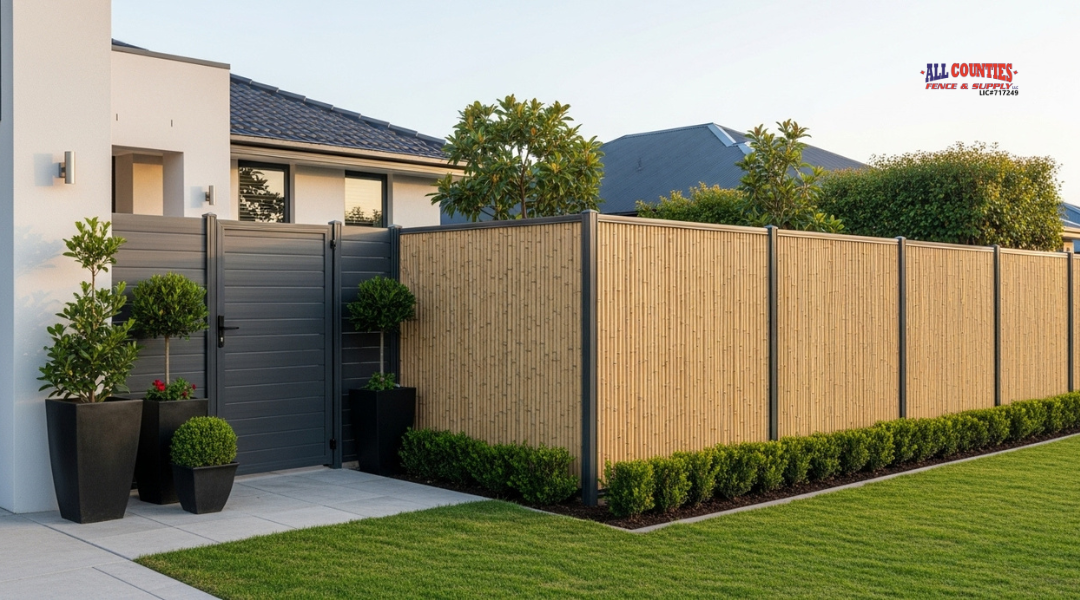
When it comes to choosing between vinyl and wood fencing, cost considerations play a significant role in the decision-making process. Let's break down the initial and long-term costs associated with each option to help you make an informed choice.
Initial Cost Differences
Initially, vinyl fencing tends to have a higher upfront cost compared to wood fencing. The cost of materials for vinyl fencing is typically higher, which can impact your budget at the outset of the project.
Long-Term Cost Implications
Although wood fencing may have a lower initial cost, it is essential to consider the long-term expenses. Wood fencing requires more maintenance, such as staining, painting, and repairs, which can add up over time. On the other hand, vinyl fencing is virtually maintenance-free, saving you money on upkeep in the long run.
Savings and Additional Expenses
Choosing vinyl fencing can lead to potential savings in terms of maintenance and repair costs. Additionally, the durability of vinyl fencing may result in fewer replacements over the years, further reducing expenses. However, it's essential to consider any additional costs associated with installation or customization for both types of fencing.
Overall Value for Money
When comparing the overall value for money provided by vinyl and wood fencing, it's crucial to weigh the initial costs against the long-term savings. While vinyl fencing may have a higher upfront cost, its durability and low maintenance requirements can offer significant value over time.
On the other hand, wood fencing may require more investment in maintenance and repairs, impacting the overall value proposition.
Questions and Answers
What are the main differences in design between vinyl and wood fencing?
The aesthetic differences lie in the material used, with vinyl offering a more uniform look while wood provides a natural and rustic appeal.
How do vinyl and wood fencing differ in terms of environmental impact?
Vinyl fencing has a higher environmental impact during production compared to wood, which is a renewable resource.
Which type of fencing requires less maintenance, vinyl, or wood?
Vinyl fencing generally requires less maintenance than wood, as it does not need painting or staining.
Is vinyl fencing more cost-effective in the long run compared to wood fencing?
While vinyl fencing may have a higher initial cost, it can prove to be more cost-effective in the long run due to lower maintenance requirements.